Hay Equipment Maintenance: Preparing for Tennessee’s First Cutting
5/21/2026
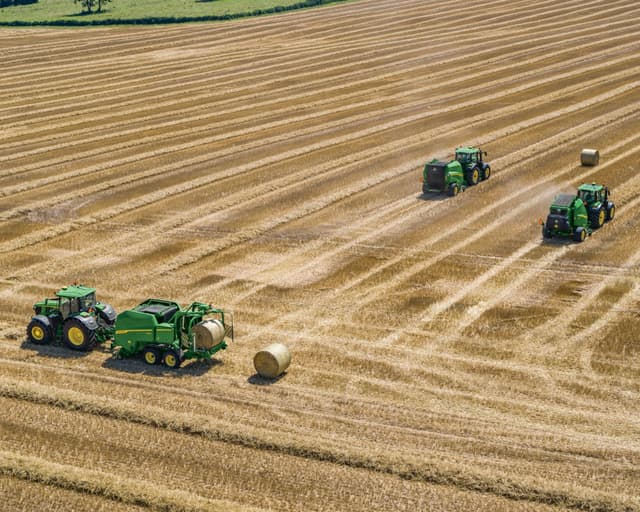
In West Tennessee, the first hay cutting of the year typically falls somewhere between late April and mid-May, depending on the region and that season’s weather patterns (drought, rainfall, average daily temperatures, etc.) To have a successful hay harvest, you need to be prepared with the right equipment to get the job done right.
West Tennessee tends to be the first region that’s ready for initial cuts in late April and early May, and if you haven’t already scheduled maintenance, now is the time to do so.
What does hay equipment maintenance look like for West Tennessee hay farmers? Let’s take a closer look and see how Tennessee Tractor can help you keep your machines maintained all season long.
The first step to finding which hay equipment needs maintenance this season is to evaluate the equipment you already own. Hay equipment typically consists of three components: your tractor, your hay tedders and rakes, and your hay baler.
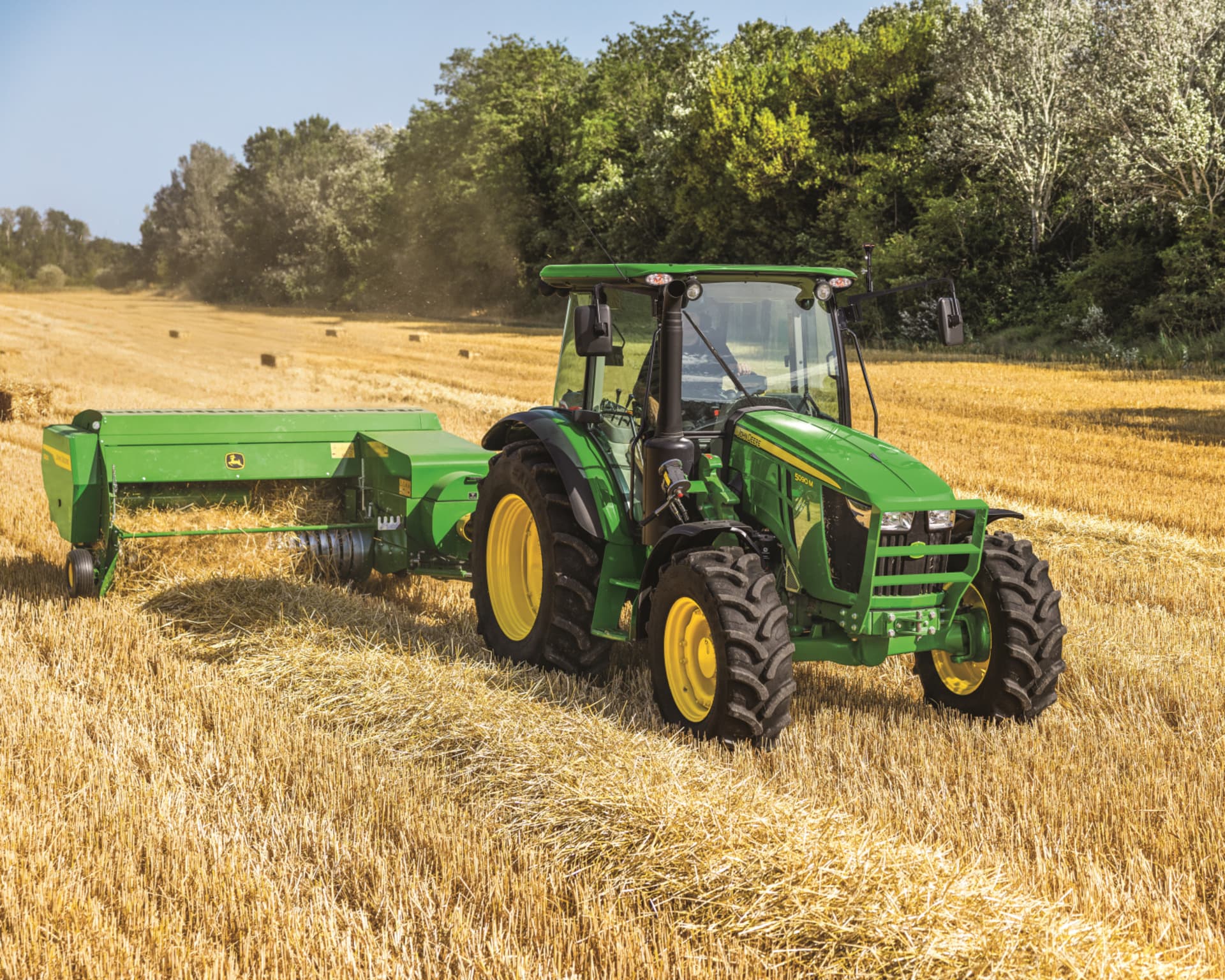
Your tractor is the most important part of your hay equipment setup, as it powers and drives your entire baling operation. Whether you use a 3-, 4-, or 5 Series for a smaller operation, or one of the larger 6- and above Series utility tractors, proper maintenance of your equipment starts with your tractor. Take a visual look at all tires, belts, and gears on your tractor. Crank it up a few times and run it before you take it out in the field. If something looks or sounds off with your tractor, it’s better to bring it in for maintenance to have a certified technician evaluate its condition than experience a breakdown in the middle of baling season.
Hay tedders and hay rakes are attachments that work together to dry and gather your cut hay. Tedders spread the hay to speed up drying, while rakes pull it into neat windrows ready for baling. The most important component to check on your tedders and rakes is the tines, or fingers. Inspect the attachments for bent, broken, or missing tines. Damaged tines can cause uneven tedding, which leaves your windrows scattered rather than gathered into neat rows. You should also keep an eye on your driveline and PTO shaft for wear or cracks. Confirm that all nuts, bolts, and bindings are properly secured. If something looks off, have a professional inspect your tedders and rakes just in case.
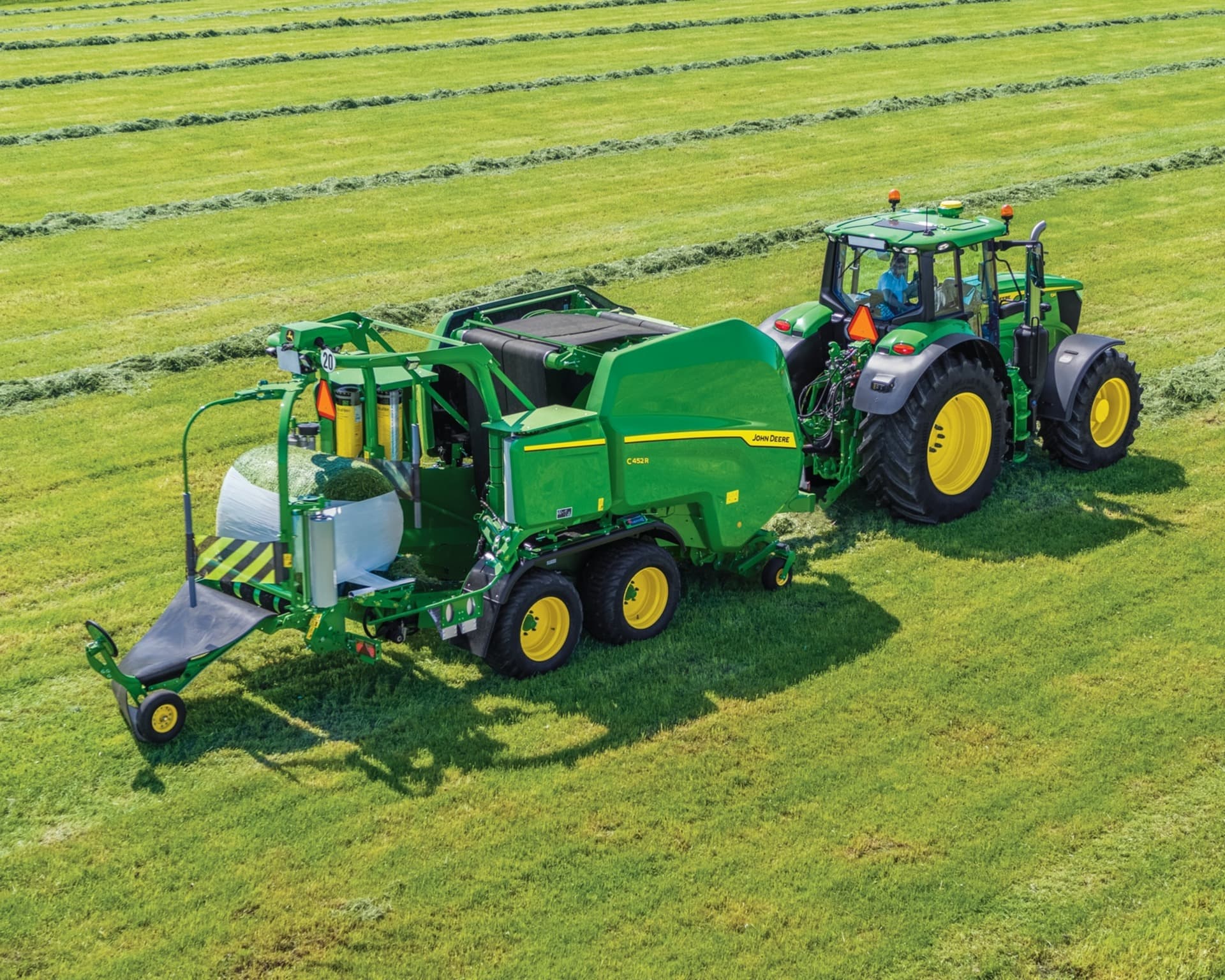
Balers need just as much love and care as your other machines. The components to keep an eye on for your baler include belts, chains, pickup heads, and bale chamber components. Your belts and chains power everything within your baler, so it’s important to make sure that all belts and chains are tight, not worn, and functioning properly. Pickup heads, including tines that help to gather hay windrows, can sometimes become worn and damaged from repeated usage each season. Inspect all components of your pickup head for wear, like the tines, pickup cam, stripper bar, pickup shaft bearings, etc.
Can you remember the last time you brought in your baling equipment for a proper inspection? If you can’t, then that’s a good indication that you're past due for hay equipment maintenance. Hay equipment is often used heavily but for a very short window of time. So, even if you didn’t use your hay equipment for very many weeks or months, you can still put a lot of hours on it in a very short amount of time. Most equipment should be brought in for servicing between 100 and 300 hours of usage. Because you may use it for long hours and then not use it for the rest of the season, you should make sure to bring in your equipment for maintenance a month or a few weeks before you plan on using it heavily again.
You don’t want to have an operation-stopping issue during a critical time. A breakdown during a narrow cutting window can mean rained-on hay, lost quality, and lost revenue. The cost of a pre-season service call is almost always less than an emergency repair during peak season.
So, what happens without regular maintenance? The short answer is that small problems can quickly become big ones. A $15 tine becomes a $400 gearbox. A $30 belt splice becomes a $1,200 belt replacement. A missed knotter adjustment becomes a full afternoon of re-baling scattered hay, or a lost cutting window entirely. You don’t want to neglect maintenance to save a buck now, when that neglect can lead to thousands of dollars in repairs.
Missed cutting windows can also be a major money loser for your operation. Hay quality drops fast once it's ready to cut, and a breakdown on day one of a three-day weather window can mean the difference between premium hay and low-quality feed. Don’t make the mistake of waiting too long; bring in your equipment for maintenance well in advance of your hay cutting or baling season.
Whether you’re a regular when it comes to maintenance, or you may have neglected your equipment for a few years, at Tennessee Tractor, we can help get your tractor, tedder, baler, and more ready to go for hay cutting season. Our certified expert technicians are the best in West Tennessee, and love to see our farming customers have the best season they can.
Stop by any of our 10 West Tennessee locations, including Dyersburg, Ripley, Jackson, and Alamo, and let us get your hay equipment prepared for this year's first cut.