Post Hole Digger or Hydraulic Breaker: The Best Option for Tennessee Fence and Rock Work
6/30/2026
If you're dealing with rocky ground in West Tennessee and trying to get fence posts in the ground, you've probably wondered whether a post hole digger can handle the job or whether you need something heavier.
A hydraulic breaker is the tool that comes up in those conversations, and for good reason! It can punch through rock and hardpan that would stop an auger cold in its tracks. But it's also a specialized attachment for compact construction equipment that most property owners don't need. Knowing the difference between these two tools and when each one makes sense can save you time and money before you ever break ground.
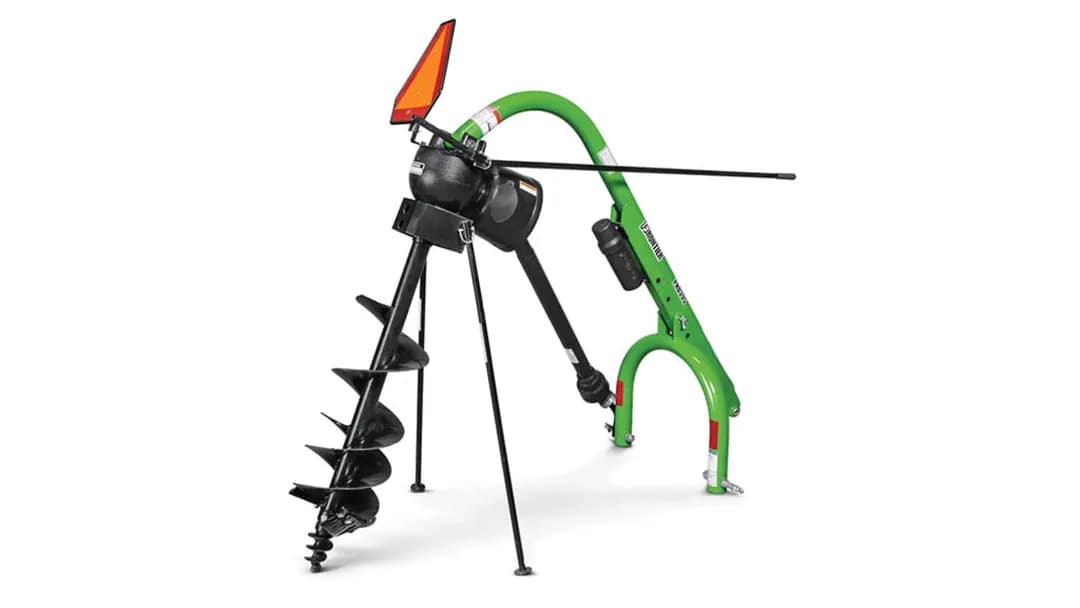
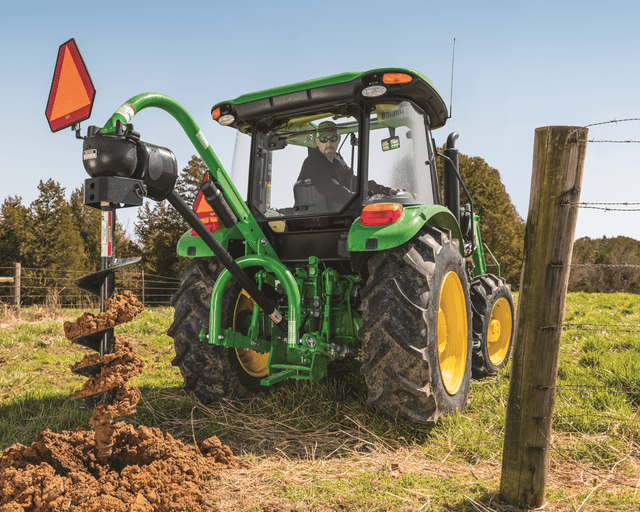
A post hole digger attaches to your tractor's three-point hitch and uses a PTO-driven auger to bore clean, consistent holes for fence posts. Most fence installations require holes 24 to 36 inches deep, and a post hole digger handles that range without any extra equipment. Auger sizes typically range from 6 to 18 inches in diameter. A 9-inch auger covers most standard wood and T-posts, while a 12-inch auger gives you more room for corner posts and brace posts that take heavier loads.
In average West Tennessee soil, which tends to be clay-heavy, a post hole digger is the right tool for the job. It's an attachment you can own, store on your property, and use every time you need to add or replace posts. Tennessee Tractor carries post hole digger attachments for both compact and utility tractors. You can browse post hole digger options to find the right fit for your machine.
A hydraulic breaker, sometimes called a hydraulic hammer, is an attachment typically mounted on an excavator or skid steer. It drives a steel chisel into rock, concrete, or heavily compacted hardpan using rapid, high-force impacts. Where an auger spins and cuts, a breaker pounds like a sledgehammer. That distinction matters a lot when you're dealing with solid rock just below the surface.
Hydraulic breakers are not something most farmers or property owners buy. They're heavy, expensive, and purpose-built for construction and demolition work. The more practical path for most landowners is renting one from an equipment rental company for a specific job. A post hole digger will be the better choice for regular fence work.
The honest answer is that most fence jobs in West Tennessee don't require a hydraulic breaker. The bigger issue here tends to be dense clay and shallow rock shelves, not solid bedrock running the full length of a fence line. A post hole digger with the right auger handles clay well. Where property owners run into trouble is when they hit an isolated rock or a thin layer of hardpan and assume the whole line is unworkable. Often it isn't.
For ground that's too hard for an auger but doesn't have actual rock, a subsoiler is worth considering before you reach for a breaker. It runs a steel shank deep into the soil to fracture compacted layers, which loosens the ground enough for a post hole digger to follow through. The Frontier PS10 Series Subsoiler works well for this kind of prep work on compact and utility tractors. Running a subsoiler pass down a fence line before digging can make the difference between smooth post-setting and stalled progress.
A post hole digger attachment is a one-time purchase that pays for itself quickly if you do any regular fence maintenance. Most property owners with livestock or pasture put in new posts or replace old ones almost every season. Owning the attachment means that work gets done on your schedule with your equipment. A hydraulic breaker, by contrast, rents for roughly $300 to $500 per day depending on size and location, which makes sense for a single rock-breaking job but adds up fast if you're calling it in every spring.
The practical approach for most West Tennessee landowners is to own a post hole digger and rent a hydraulic breaker only when a specific job requires it. That way, you're covered for routine fence work year-round without paying to store and maintain a piece of equipment that sits idle most of the time.
Not sure whether your soil calls for a post hole digger, a subsoiler pass first, or something else entirely? Our equipment specialists work with West Tennessee landowners every day and can help you figure out the right approach before you buy. Browse our post hole digger attachments and full attachments and implements inventory online, or stop by any of our 11 West Tennessee locations. You can also contact us or visit our locations page to find the dealership nearest you.