How West Tennessee’s Clay Soils Affect Your Tractor Choice
3/25/2026
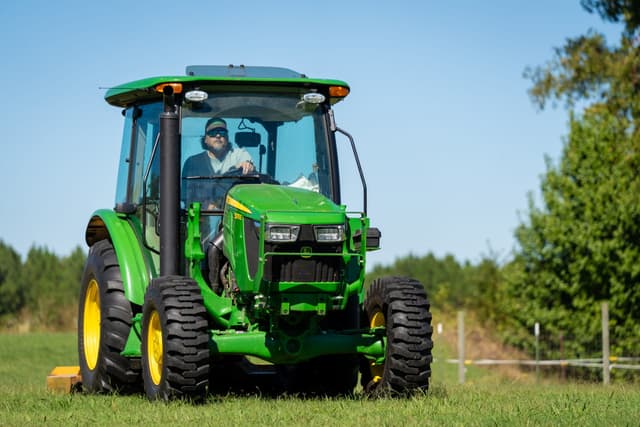
The heavy, silty clay soils found across much of West Tennessee often demand more horsepower, better traction, and heavier-duty implements than lighter soils in other parts of the country. They also demand the right equipment manufacturer that can handle all the mud and grit you’ll put it through all season. Choosing the wrong tractor for these conditions can lead to wheel slippage, soil compaction problems, and costly mid-season breakdowns.
If you've ever watched a tractor spin its tires in a wet clay field or struggled to pull a disc harrow through ground that feels like concrete, you already know the challenge. West Tennessee's soils are productive, but they push equipment hard. Understanding how your soil type affects your tractor needs is one of the most practical decisions you can make before buying or upgrading.
Let’s take a closer look at what tractor models work best in West Tennessee’s soil, and where you can go to find the best selection of equipment.
Most of West Tennessee sits on a layer of silty, loam-heavy soils with significant clay content, especially in low-lying areas and floodplain fields common in counties like Haywood, Lauderdale, and Dyer. These soils hold moisture well, which is great for crops, but can be a serious problem for tractors and operators during wet planting and harvest windows.
Clay soil is denser and heavier than sandy or loam soils. When wet, it becomes sticky and nearly impossible to work without the right horsepower and traction setup. When dry, it can harden to near-concrete density, making it tough to till without straining your engine or damaging implements. Either way, underpowered equipment struggles.
The one thing to know about horsepower and clay is that there is no single horsepower number that works for every operation. The right amount depends on your implement size, tillage depth, field speed, and how wet or dry conditions are on a given day. What is consistent is that clay soil demands more from your tractor than sandy or loam soils, and underpowered equipment shows it quickly through wheel slippage, slow field speeds, and excessive wear.
As a starting point, talk to a dealer specialist, like those you can find at Tennessee Tractor, about the specific implements you plan to run and at what depth. A tractor that handles light mowing on your property may not have enough reserve power to pull a disc harrow through sticky West Tennessee clay in March.
But here’s a general guide by operation size:
| Tractor Series | HP Range | Best Clay Soil Use | 4WD? |
|---|---|---|---|
| 3 Series (3025E) | 24-33 HP | Small food plots, garden prep, light tillage on small acreage | Yes |
| 4 Series (4044M/4066R) | 44-66 HP | Pasture work, disc harrowing, moderate tillage on 5-50 acres | Yes |
| 5E Series (5075E) | 75 HP | Row crops, large-scale tillage, hay production on 50-200 acres | 2WD or 4WD |
| 5M/5R Series (5115M) | 75-125 HP | Full-field row crops, heavy implements, wet heavy clay conditions | 4WD available |
Two-wheel drive tractors lose a significant amount of pulling power in wet or sticky clay conditions because rear tires dig in and spin rather than grip. That’s why it’s better to have a four-wheel drive capable machine, especially if you’ll be consistently working in thick, clay soil. Four-wheel drive distributes power to all four wheels, reducing slippage in soft conditions. For West Tennessee farmers dealing with spring rains or fall harvest windows that turn fields into mud, 4WD is far more than a convenience; it’s a necessity.
All 4 Series compact tractors, including the 4044M with 43 horsepower and the 4066R with nearly 66 horsepower, come standard with four-wheel drive. For larger operations, the 5E, 5M, and 5R Series all offer 4WD configurations. The right tire tread also makes a huge difference in clay conditions, so ask a specialist about the best setup for your fields.
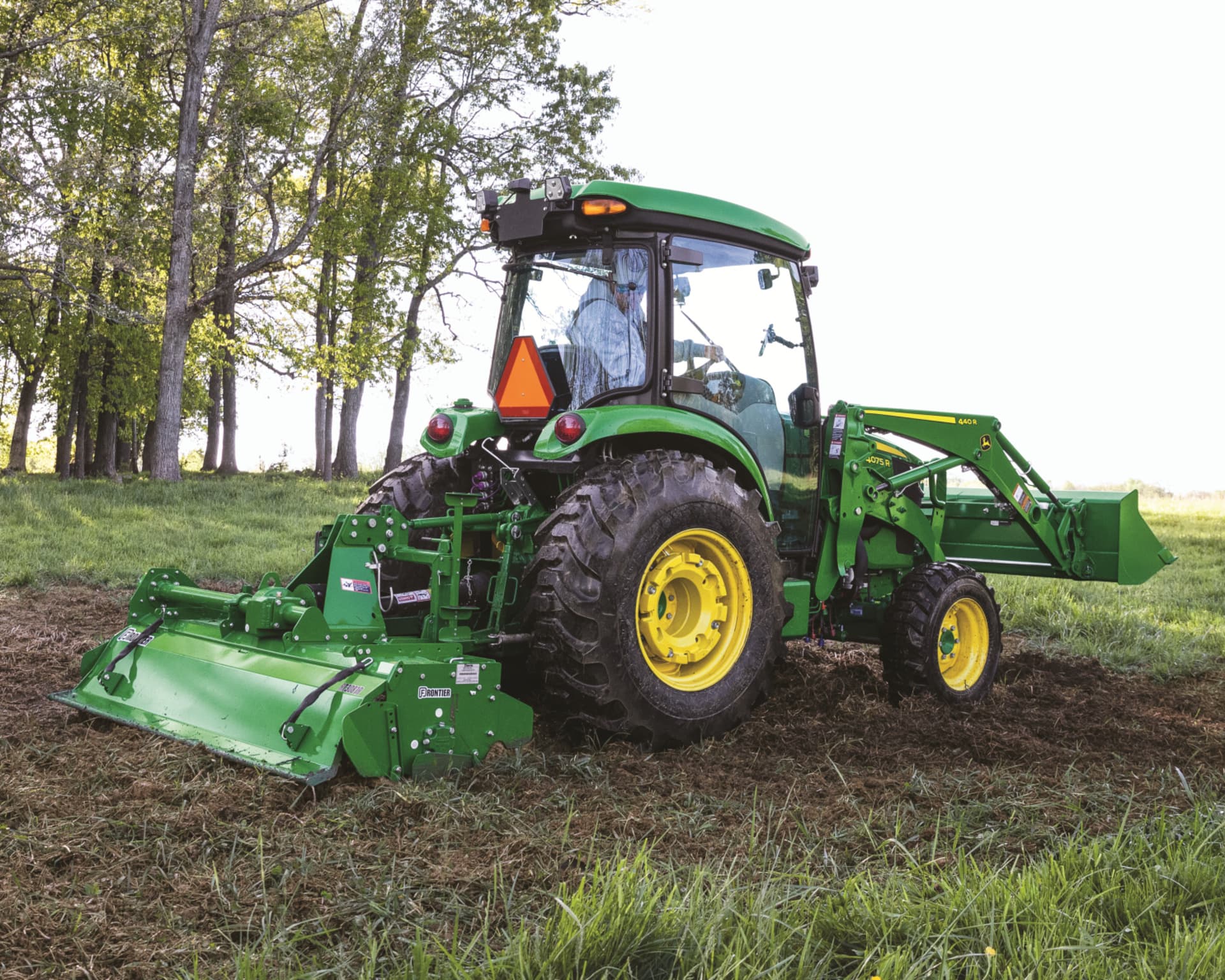
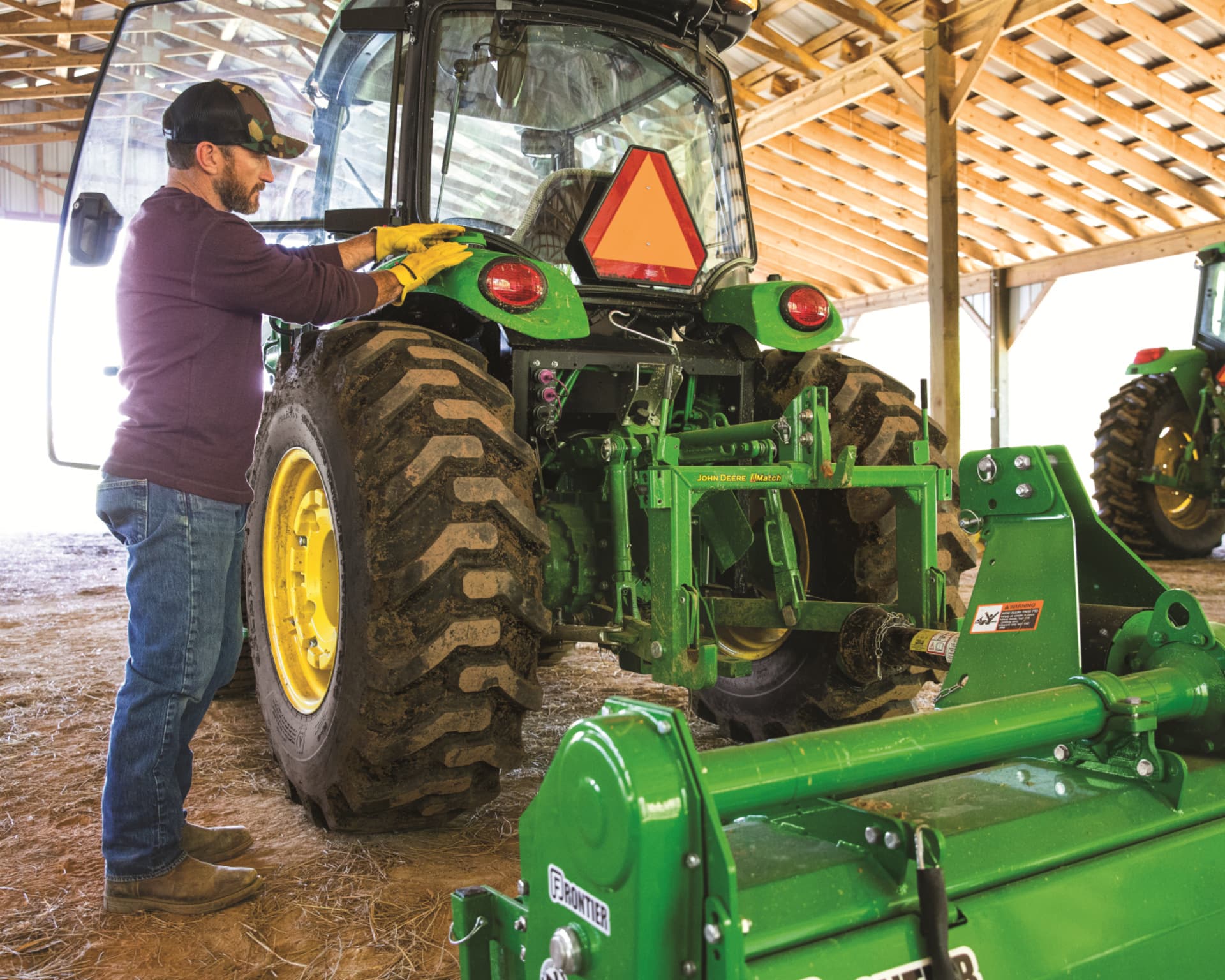
Your tractor choice is only part of the equation. Pairing the right horsepower with the right implements is what keeps you productive when conditions get tough. Frontier attachments available through Tennessee Tractor give you a solid starting point:
Not sure which tractor series fits your operation and soil conditions? Our team at Tennessee Tractor has helped West Tennessee farmers make informed equipment decisions for more than 27 years. We know your fields, your seasons, and your challenges. Come see us today!