Electric vs. Gas Gator: What Tennessee Property Owners Should Know Before They Buy
8/27/2026

Choosing a new John Deere Gator utility vehicle used to come down to which size you needed. Now there is another choice to make. John Deere builds Gators with gas engines and with battery-powered electric motors, and both can haul, tow, and get you across your land. The right pick depends on how you work, how far you drive in a day, and what you want to spend over time. Below is a look at how the two compare, so you can walk into one of our 10 locations knowing what fits your property.
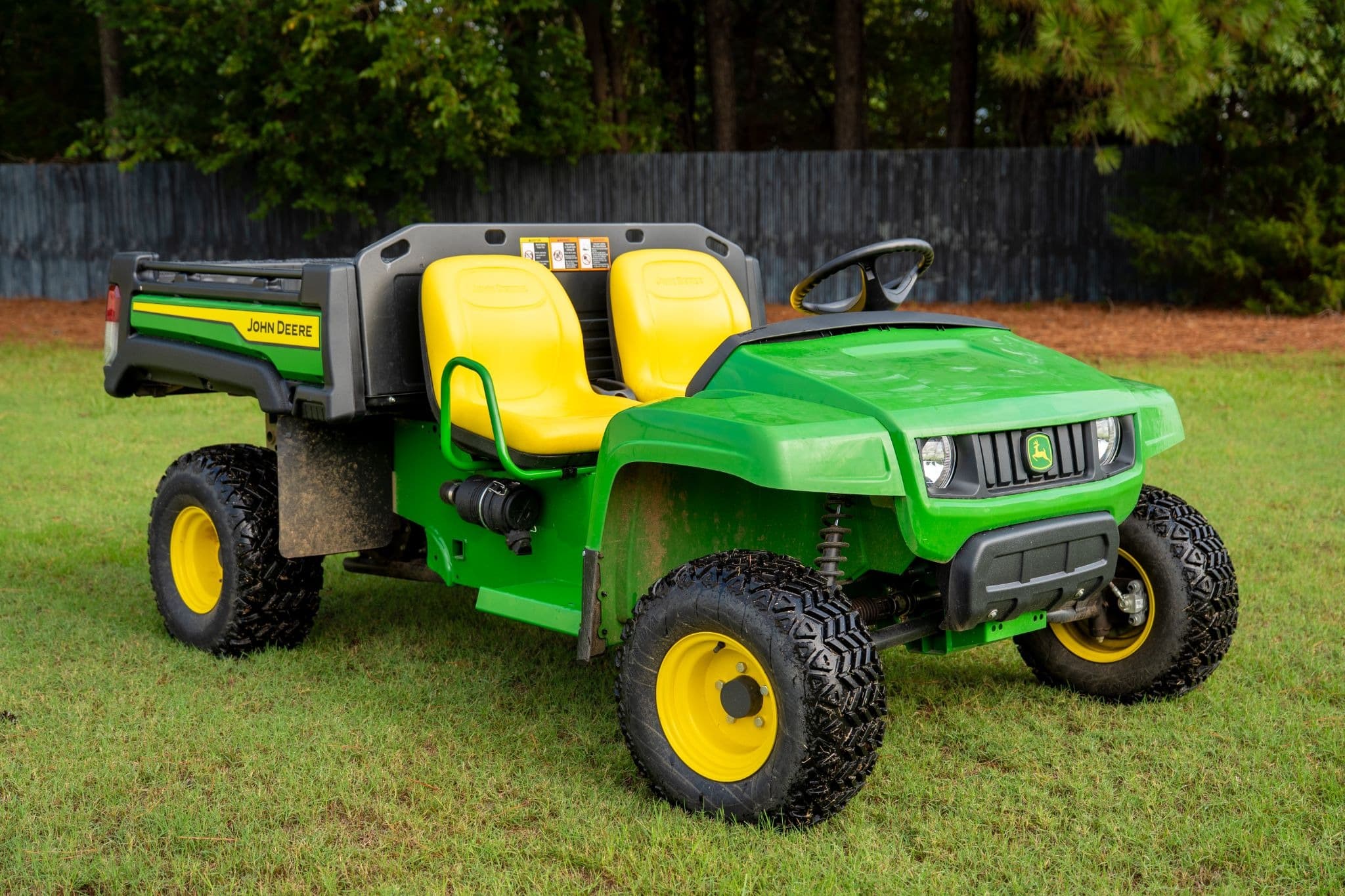
The main difference is what powers the machine. A gas Gator runs on a fuel engine, the same setup most people already know. You fill the tank, turn the key, and go. An electric model like the TE 4x2 Electric Utility Vehicle runs on a 48-volt battery system and an electric motor. There is no gas tank, no engine oil, and no engine noise. You plug it in at the end of the day and charge it overnight, much like a phone. Both types carry cargo and pull trailers, but they get their power in very different ways.
If you cover a lot of ground or pull heavy loads, a gas model usually gives you more room to work. Gas Gators reach higher top speeds and can tow more, with some full-size models rated to pull up to 2,000 pounds. They also keep going as long as you have fuel, so a quick stop at the pump gets you back to work in minutes. An electric Gator is built for steady work closer to home. The TE 4x2 Electric tops out around 15 mph and tows about 500 pounds, and a full charge is made to last a normal workday before it needs to plug in again. For chores around a few acres, that is plenty. For long days across large tracts, gas has the advantage and will take you further.
Up front, electric and gas Gators land in a similar price range, though the number shifts by model and options. The bigger difference shows up over time. A gas Gator means ongoing fuel costs and regular trips to fill up, plus oil and filter changes. An electric Gator skips the gas pump and the oil changes, so your day-to-day running cost is lower. You trade that for the cost of charging, which is small next to fuel. If you drive short distances often, the savings add up. If you run hard all day, the convenience of fuel may matter more than the savings.
An electric Gator runs quietly, which is a real plus if you check cattle at dawn, work near neighbors, or want to hear what is around you while you hunt. It also has fewer moving parts, so there is no engine oil, no spark plugs, and no fuel system to service.
A gas Gator takes more routine care, including oil changes, filters, and general engine upkeep, but that work is familiar, and parts are easy to find. Both are built tough for Tennessee weather, from wet spring fields to hot summer trails. Your choice comes down to how much upkeep you want to handle.
Think about a normal day on your land. If you mostly run short trips around a homestead, small farm, or property with close neighbors, an electric model like the TE 4x2 Electric or the GS Electric Utility Vehicle keeps things quiet and simple. If you cover big acreage, tow heavy trailers, or need to work sunup to sundown without stopping to charge, a gas Gator such as the GS Gas Utility Vehicle gives you the range and pulling power you want. Most owners find the answer clear once they picture their busiest day. If you are still weighing fuel types, our guide on gas versus diesel Gators can help round out the picture.
Stop by any of our 10 Tennessee Tractor locations to see which gas and electric models we have in person, browse our current Gator inventory online, or reach out to our team with your questions. Tell us how you plan to use it, and we will help you match the power, range, and budget that fit your land.